
In-Situ Leaching
Mining copper without digging a mine

challenge
What’s the problem we’re trying to
solve?
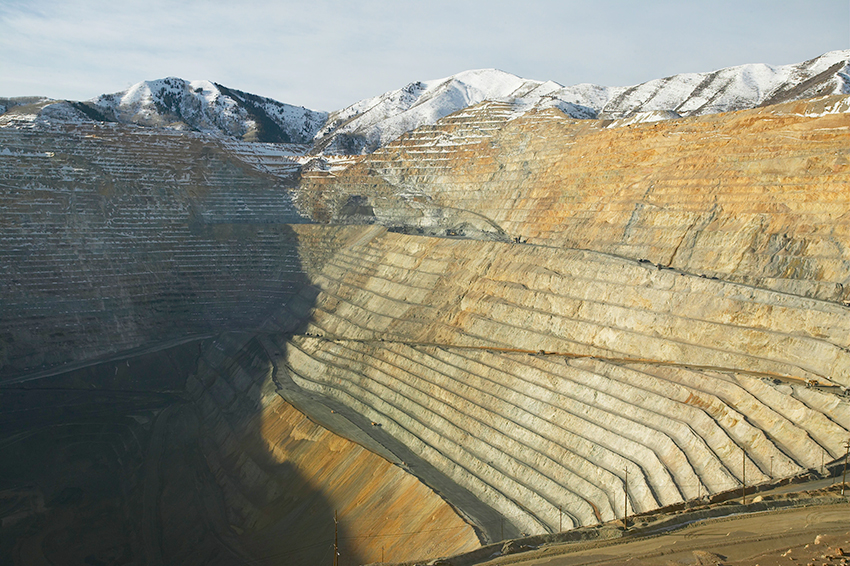
Copper is essential to the global energy transition, powering everything from renewable energy systems and electric vehicles to modern electricity networks. But the way we currently mine copper has changed little in more than a century.
Conventional mining relies on large-scale excavation, crushing, processing and transportation of vast amounts of rock. These activities consume significant amounts of energy and water, generate large waste streams, and can have substantial environmental and social impacts.
The challenge is becoming even greater as high-grade copper deposits become harder to find. Future resources are likely to be deeper underground, lower in grade, and more expensive to extract using traditional methods.
To meet future demand while reducing environmental impacts, we need new approaches to mining that can unlock copper resources without the disruption, waste and energy requirements associated with conventional extraction.

solution
How does this research provide a solution?
This project is exploring a fundamentally different approach to copper extraction known as in-situ leaching.
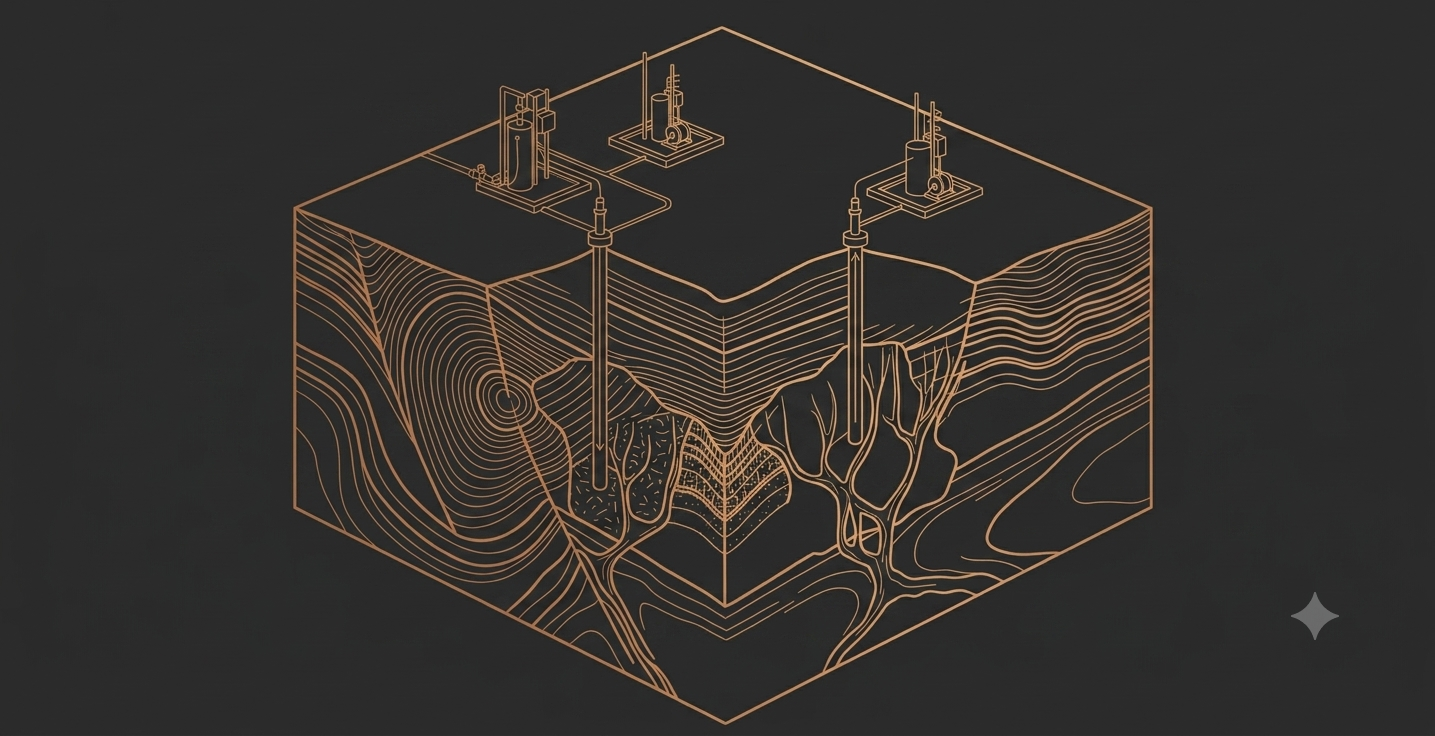
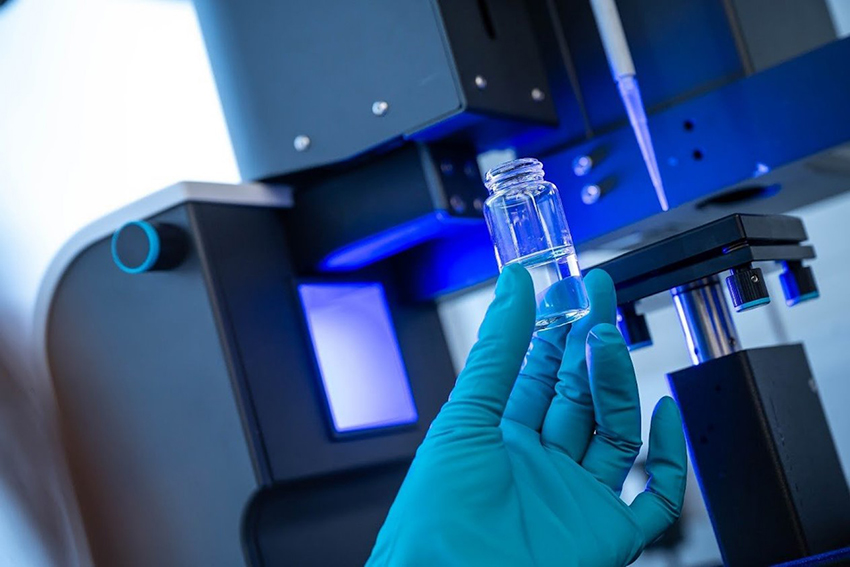
Rather than excavating and processing ore at the surface, in situ leaching aims to recover copper directly from the orebody underground. By circulating carefully controlled fluids through the rock, copper can be dissolved and recovered without removing large volumes of material from the ground.
The research is investigating whether naturally occurring underground conditions – including elevated pressure and temperature – can be used to help drive the extraction process. The ultimate goal is to use water and oxygen to initiate reactions within sulphide-rich copper deposits, generating the heat and chemistry needed to release copper while leaving most of the surrounding rock undisturbed.
If successful, this approach could dramatically reduce the environmental footprint of copper production, minimise waste generation, lower energy consumption, and enable access to deposits that are currently uneconomic or environmentally challenging to develop.
process
What exactly are we doing?
This research programme is developing the scientific and engineering foundations needed to make in-situ copper extraction a reality.
The team is working across six interconnected areas:
- Orebody characterisation
Identifying which types of copper deposits are most suitable for in situ extraction and understanding the geological, hydrogeological and geochemical conditions that influence performance.
- Reaction chemistry
Investigating how sulphide minerals react underground and determining whether water and oxygen can generate the heat and chemical conditions required to sustain copper extraction.
- Transport engineering
Developing methods to inject leaching solutions, control fluid movement through rock formations, and safely recover copper-rich solutions while preventing impacts on surrounding geology.
- Copper recovery systems
Designing processes capable of making pure metallic copper from recovered solutions under a range of operating conditions.
- Process modelling
Creating advanced simulations that model chemical reactions, heat generation, fluid flow and rock behaviour to predict performance at commercial scale.
- Environmental assessment
Conducting detailed lifecycle and sustainability assessments to quantify environmental, energy and social impacts compared with conventional mining methods.
Together, these workstreams are creating a complete pathway from laboratory-scale experiments to future pilot-scale deployment.
team
Who’s involved?
This project is led by:
University of British Columbia
Imperial College London
UC Berkeley
University of the Witwatersrand
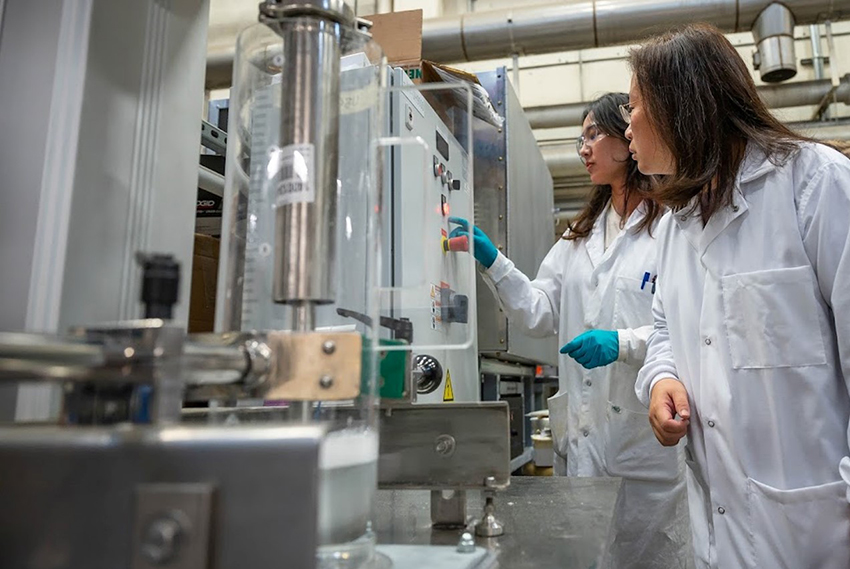
The multidisciplinary team spans geology, hydrogeology, mining engineering, metallurgy, geomechanics, environmental science, process modelling and lifecycle assessment, enabling the project to address both technical performance and sustainability outcomes.
goals
What are our objectives and long-term goals?
- Demonstrate the technical feasibility of extracting copper directly from underground sulphide deposits using in-situ leaching.
- Develop extraction methods that rely on naturally occurring underground conditions to minimise chemical inputs and energy requirements.
- Improve understanding of fluid flow, heat generation and reaction chemistry within deep copper orebodies.
- Create scalable engineering systems for copper recovery that can operate safely and efficiently underground.
- Quantify environmental, energy and social benefits compared with conventional mining approaches.
- Unlock access to copper resources that are currently uneconomic, environmentally sensitive or technically difficult to mine.
- Provide a pathway towards pilot-scale demonstrations and future commercial deployment.
gallery
Gallery


Sign up
to our newsletter
Stay informed with the latest research breakthroughs, expert insights and updates from the Rio Tinto Centre for Future Materials. Sign up to our newsletter to connect with a global community driving innovation in sustainable materials and the energy transition.