
GEM-Cu
Reimagining copper discovery through deep Earth science and predictive intelligence

challenge
What’s the problem we’re trying to
solve?
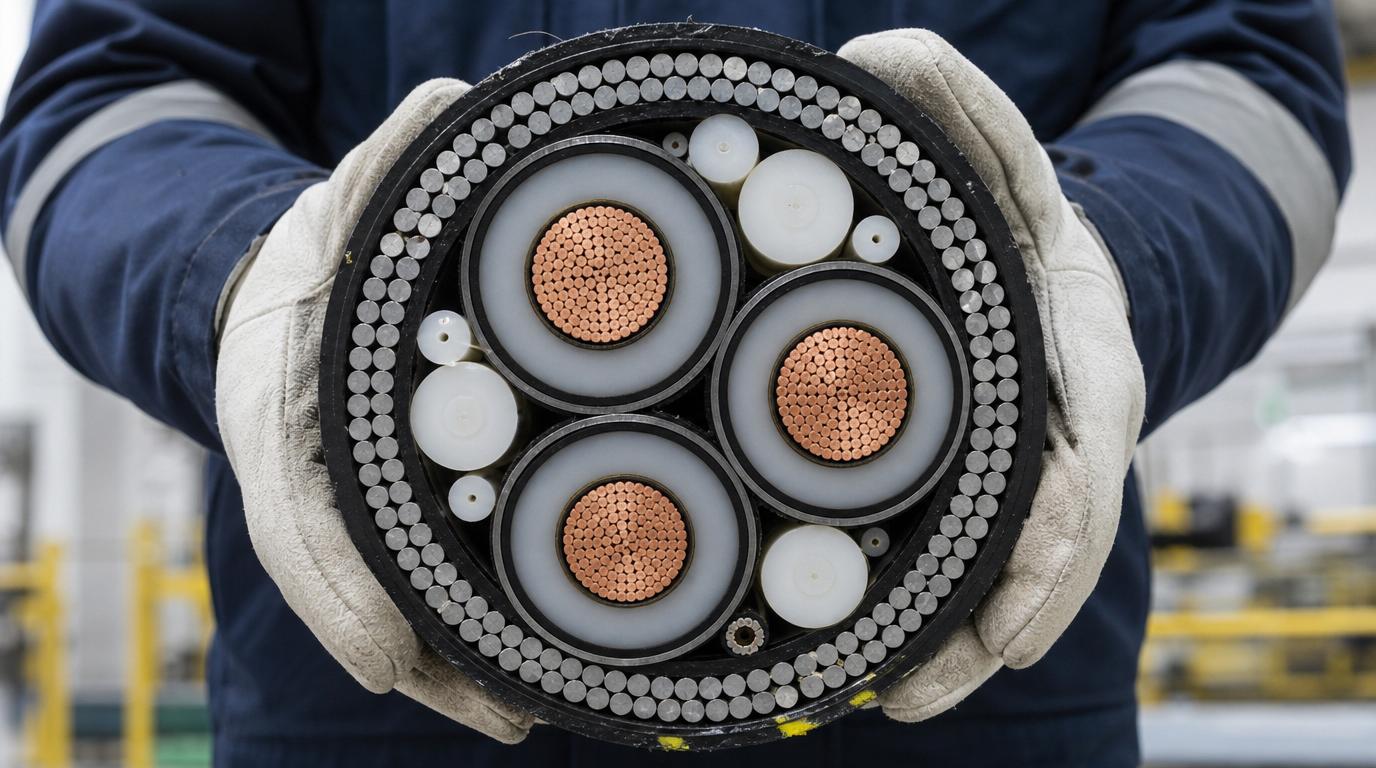
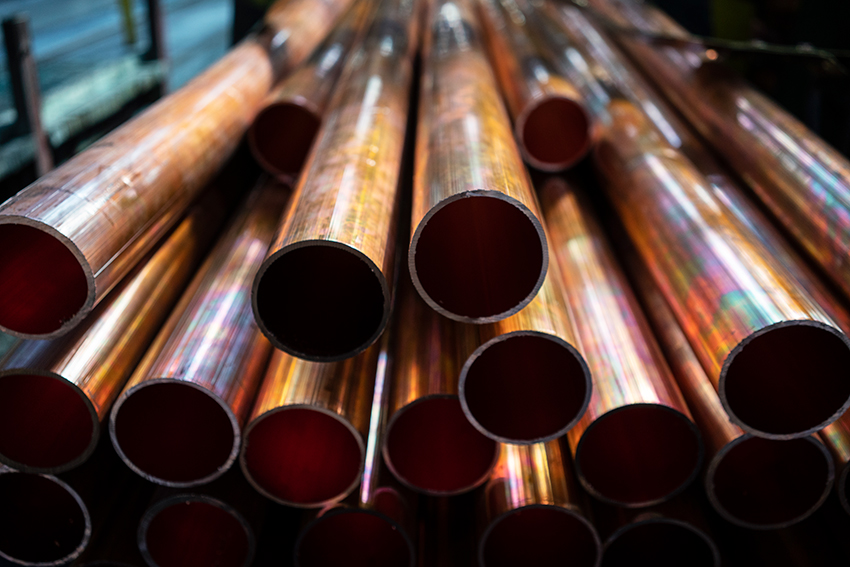
Copper is essential to the global energy transition. It powers electric vehicles, renewable energy infrastructure, batteries, and the electrical networks needed for a low-carbon future. Yet, while demand continues to rise, the world is running out of easily accessible copper deposits.
Traditional mineral exploration relies heavily on near-surface observations such as geological mapping, geochemical sampling, and geophysical surveys. While these methods have delivered important discoveries, they often overlook the deeper and longer-term Earth processes that control where copper deposits form in the first place.
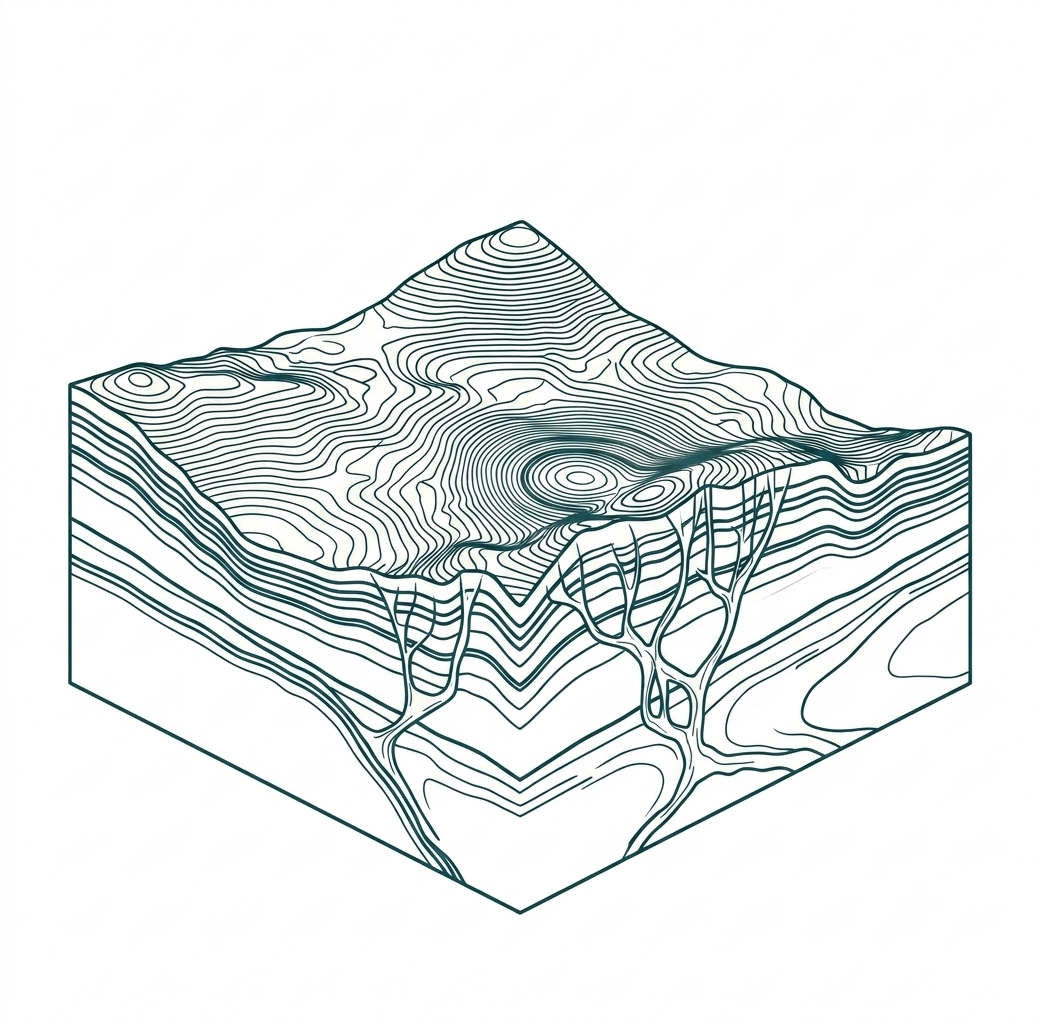
The movement of tectonic plates, the flow of material within the mantle, and the evolution of Earth’s crust over hundreds of millions of years all influence the formation of copper-rich mineral systems. However, these fundamental drivers are rarely incorporated into exploration models.
To meet future demand sustainably, we need a new approach – one that looks beyond what can be seen at the surface and instead understands the planetary processes that create copper deposits over geological time.


solution
How does this research provide a solution?
GEM-Cu is developing a revolutionary new approach to mineral exploration by creating a digital “Virtual Earth” capable of reconstructing the geological conditions that generated copper deposits throughout Earth’s history – including millions to billions of years in the past.
The project combines advanced geodynamic modelling, plate tectonic reconstructions, machine learning, and decision science to identify, predict and inform where copper-favourable conditions have existed across space and time.
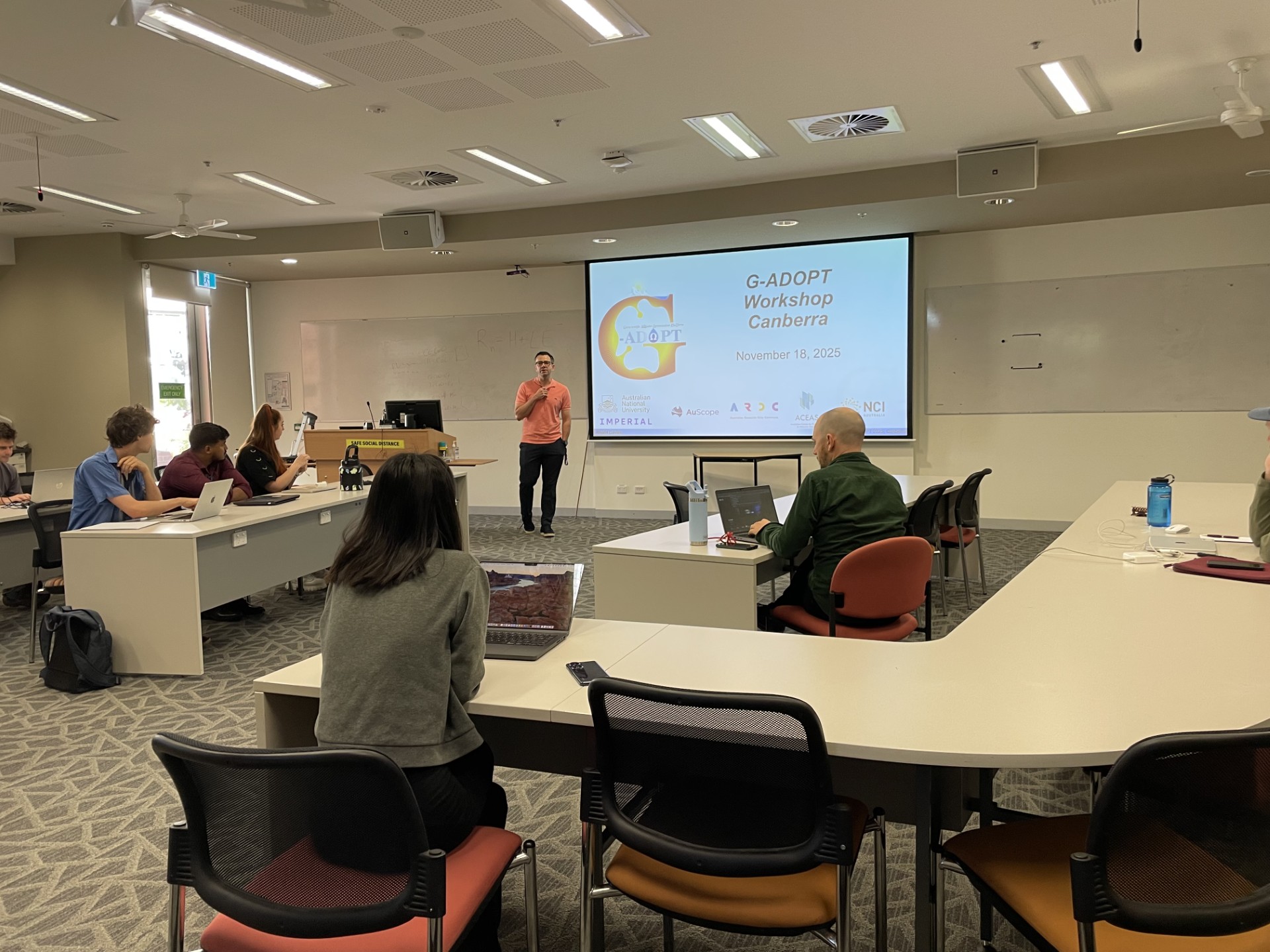
Using world-leading modelling platforms including G-ADOPT and GPlates, researchers will reconstruct more than one billion years of Earth’s tectonic evolution. By combining these 4-dimensional digital Earth models with geological and geophysical datasets, the team can identify the deep Earth processes associated with known copper deposits and use that knowledge to predict where undiscovered resources may exist.
Rather than relying solely on historical discoveries, this process-based approach enables exploration teams to anticipate where copper is likely to occur before evidence appears at the surface.
The result is a more efficient, targeted and sustainable exploration strategy that reduces uncertainty, lowers environmental impact and opens entirely new search spaces for future resource discovery.
process
What exactly are we doing?
The project is organised into three interconnected research work packages (WP) that together create a new framework for predictive mineral exploration.
- Reconstructing Earth’s geodynamic history
Researchers are combining global plate tectonic reconstructions with advanced mantle convection simulations to identify and understand how copper-forming environments evolved over the last billion years. This work creates a detailed four-dimensional picture of Earth’s changing geology through space and time and forms WP1.
- Building predictive exploration models
Machine learning and statistical modelling techniques are used in WP2 to identify the geodynamic signatures associated with copper mineralisation. These insights are then transformed into predictive prospectivity models capable of highlighting regions where copper-favourable conditions likely existed.
- Developing decision-support tools
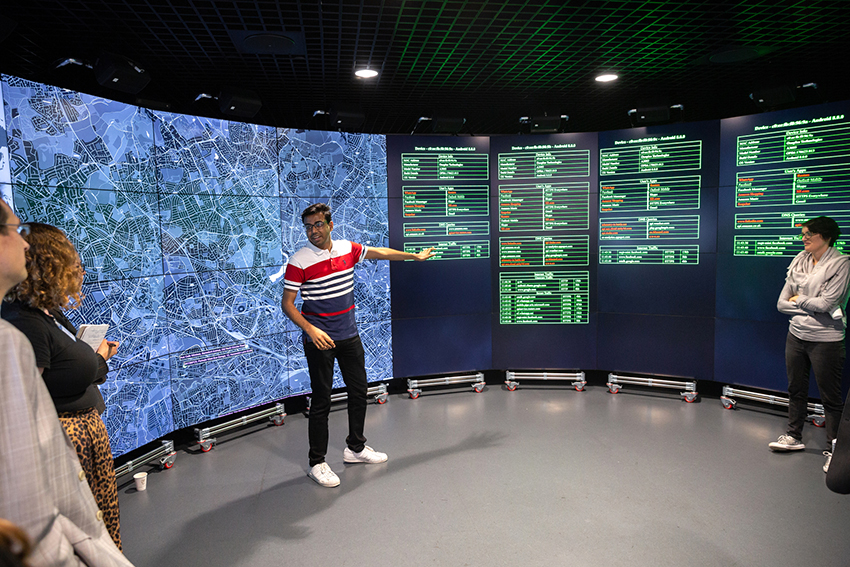
The project goes beyond scientific discovery by exploring how people interpret, trust, and use predictive information. As part of WP3, researchers are co-designing visualisation tools, training resources, and decision frameworks that help organisations confidently integrate predictive geoscience into exploration and planning processes.
- Creating open-access resources
The project will deliver an openly available global database linking copper deposits with their tectonic and geodynamic origins, providing a valuable resource for researchers, policymakers and industry.
Together, these activities create a complete innovation pipeline that connects deep Earth science with real-world exploration decisions.
team
Who’s involved?
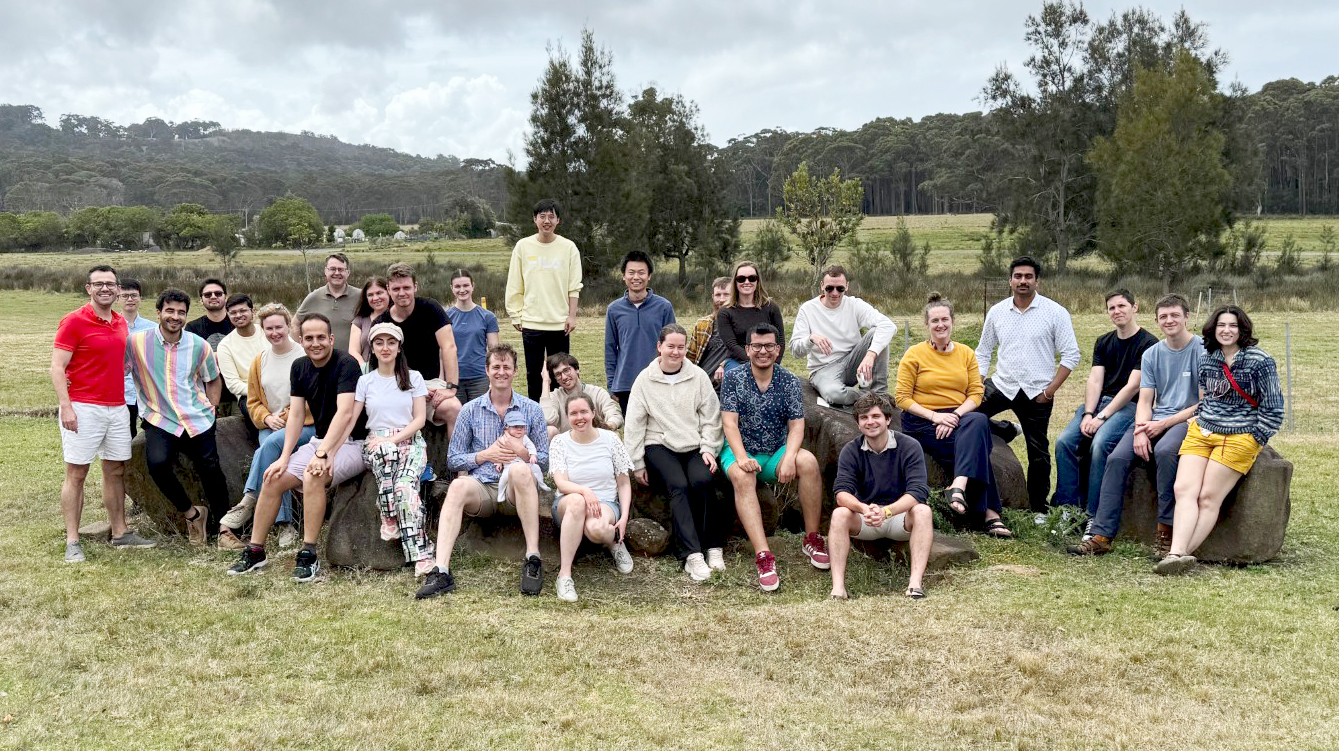
GEM-Cu brings together experts from three leading international institutions:
Australian National University (ANU)
- Professor Rhodri Davies – Project Lead and geodynamic modelling specialist
- Dr Grace Shephard – Plate tectonic reconstruction specialist and WP1 Coordinator
- Professor Malcolm Sambridge – Machine learning and statistical modelling specialist and WP2 Coordinator
- Dr Mark Hoggard – Mineral systems and lithospheric structure specialist
- Professor Janice Scealy – Statistics and predictive modelling specialist
- Dr John Taylor – Machine learning and data integration specialist
Imperial College London
- Professor David Ham – Scientific computing and high-performance modelling specialist
- Professor Saskia Goes – Geophysics and mantle dynamics specialist
University of British Columbia
- Professor John Steen – Decision science, innovation systems and WP3 Coordinator
Together, the team combines expertise in geodynamics, tectonics, machine learning, statistics, computational science, mineral systems, and decision-making to create an entirely new approach to resource discovery.
goals
What are our objectives and long-term goals?
- Reconstruct the tectonic and mantle processes responsible for copper mineralisation over the past billion years.
- Develop a global database linking known copper deposits to their geodynamic origins.
- Create predictive machine learning models capable of identifying copper-favourable regions before discovery.
- Deliver decision-support tools that help organisations confidently apply predictive geoscience.
- Reduce exploration risk, cost and environmental impact through more targeted resource discovery.
- Improve understanding of how scientific predictions are interpreted, trusted and adopted by users.
- Create a scalable framework that can be extended to other critical minerals, including nickel, cobalt and rare earth elements.
Ultimately, GEM-Cu aims to transform mineral exploration from a reactive search for surface clues into a predictive science rooted in Earth’s deep history. By combining advanced modelling, artificial intelligence and human-centred design, the project seeks to accelerate the discovery of the resources needed for a cleaner, more sustainable future.
gallery
Gallery

Sign up
to our newsletter
Stay informed with the latest research breakthroughs, expert insights and updates from the Rio Tinto Centre for Future Materials. Sign up to our newsletter to connect with a global community driving innovation in sustainable materials and the energy transition.