
The Plural Values Project
Putting society, and nature at the centre of copper decision-making

What’s the problem we’re trying to
solve?
Copper is essential for the energy transition. It powers renewable energy systems, electric vehicles and the electrical networks that connect them. But producing copper affects more than just the environment – it affects people, communities, cultures and livelihoods.
Today, most decisions about mining are driven by technical, economic and engineering considerations. While social and environmental concerns are increasingly recognised through ESG frameworks and regulatory processes, they are often treated as secondary factors rather than central considerations.
The result is a growing disconnect between mining companies and the communities most affected by their operations. Local people may value landscapes for cultural, environmental, historical or spiritual reasons that are difficult to measure through conventional assessment methods. When these values are overlooked, projects can face conflict, delays, loss of trust and, in some cases, failure altogether.
As demand for copper continues to grow, there is an urgent need for better ways of understanding what communities value and how those values can shape decisions about resource development.

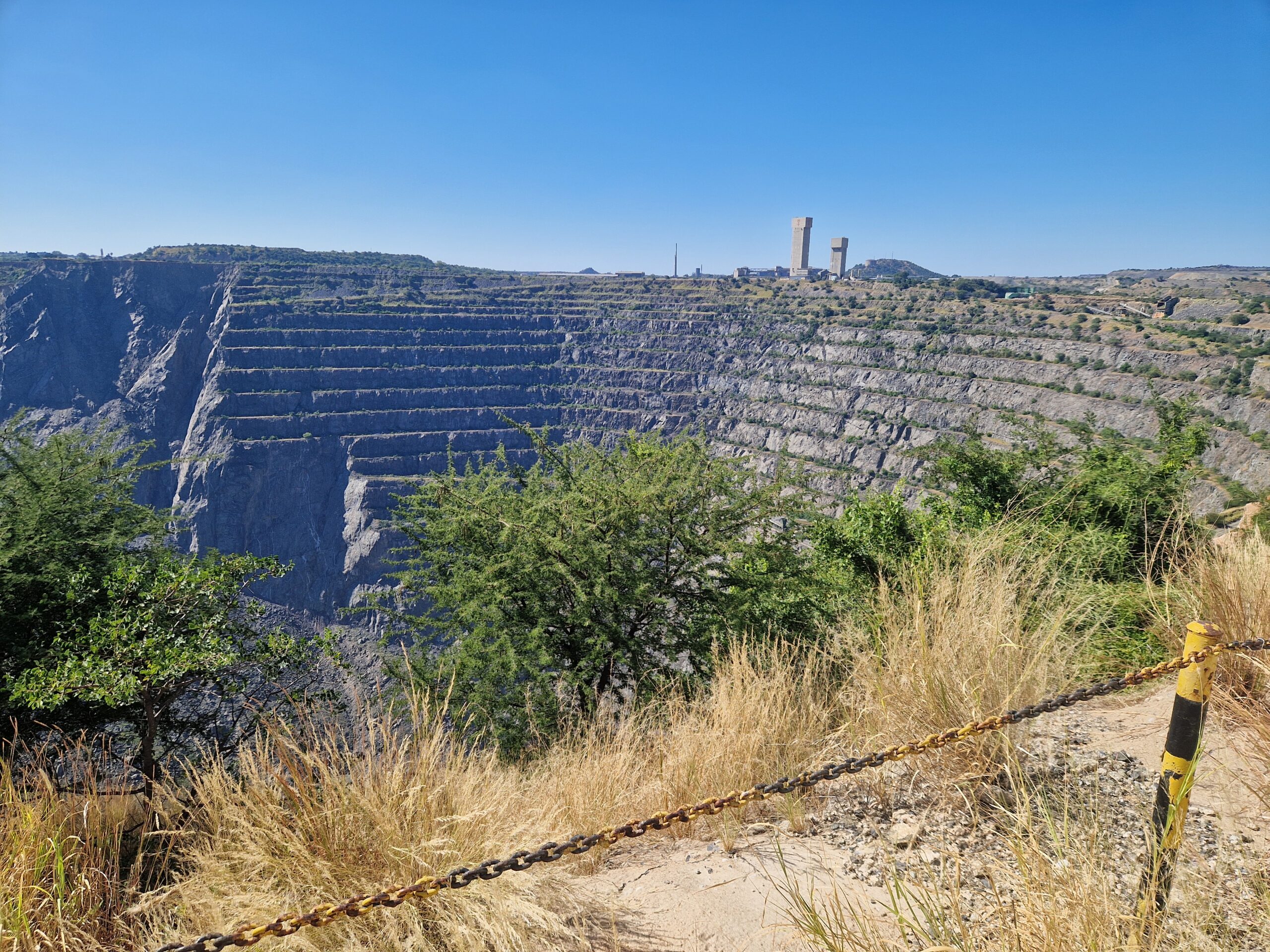

How does this research provide a solution?
The Plural Values Project is developing new ways to ensure that community values become a meaningful part of mining decision-making.
Rather than asking how communities can fit into existing mining frameworks, the project asks a different question: what would mining look like if community values are considered from the conception of mining projects.
Working alongside communities, researchers, policymakers and industry partners, the project is creating practical frameworks that help decision-makers understand and incorporate the many ways people value copper, landscapes and natural resources.
These values may be economic, environmental, cultural, social, ethical or relational. By making them visible and measurable, the project helps organisations move beyond consultation towards genuinely collaborative and meaningful decision-making.
The goal is not simply to reduce conflict. It is to create mining systems that are more transparent, trusted and responsive to the people and places they affect.

What exactly are we doing?
The project is examining how values conceptualised, recognised, understood and incorporated across the entire copper supply chain, from exploration and mining through to closure and rehabilitation.
The team is working on:
- Understanding community values
Working with communities, Indigenous groups, industry and other stakeholders to identify the different ways people value copper, land and natural resources.
- Mapping decision-making systems
Examining how current governance frameworks, industry standards and regulatory processes recognise – or fail to recognise – community priorities.
- Identifying opportunities for change
Investigating where mining policies and decision-making processes can be improved to better reflect social, cultural and environmental values.
- Co-designing practical tools
Developing frameworks, guidelines and decision-support tools that help technical teams integrate community perspectives into planning and project development.
- Testing real-world applications
Applying these approaches across a range of case studies covering exploration, mine operations, closure and rehabilitation, and artisanal mining systems.
By combining social science, environmental science, policy and industry expertise, the project aims to create practical tools that can be used by governments, companies and communities alike.
Who’s involved?
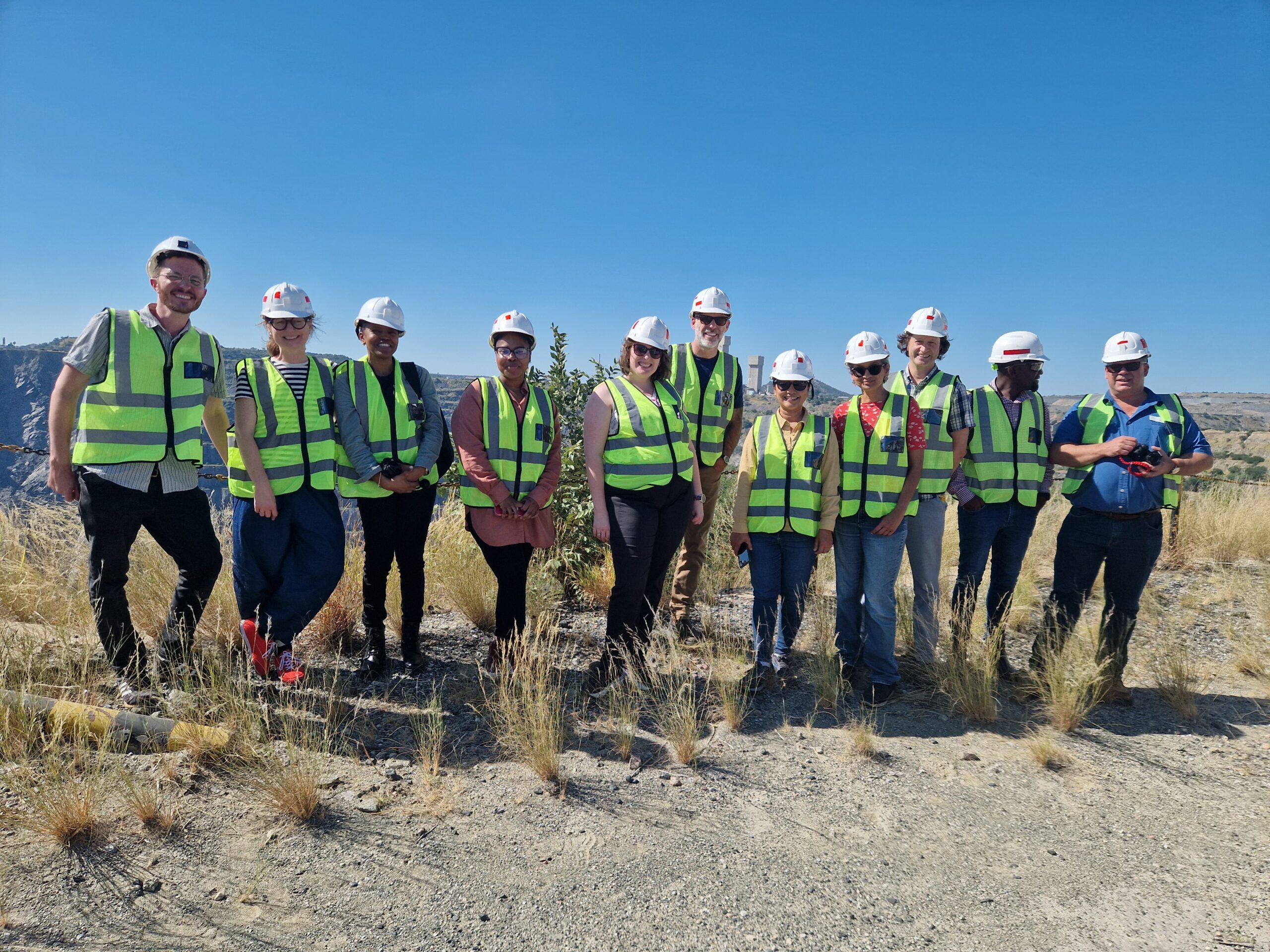
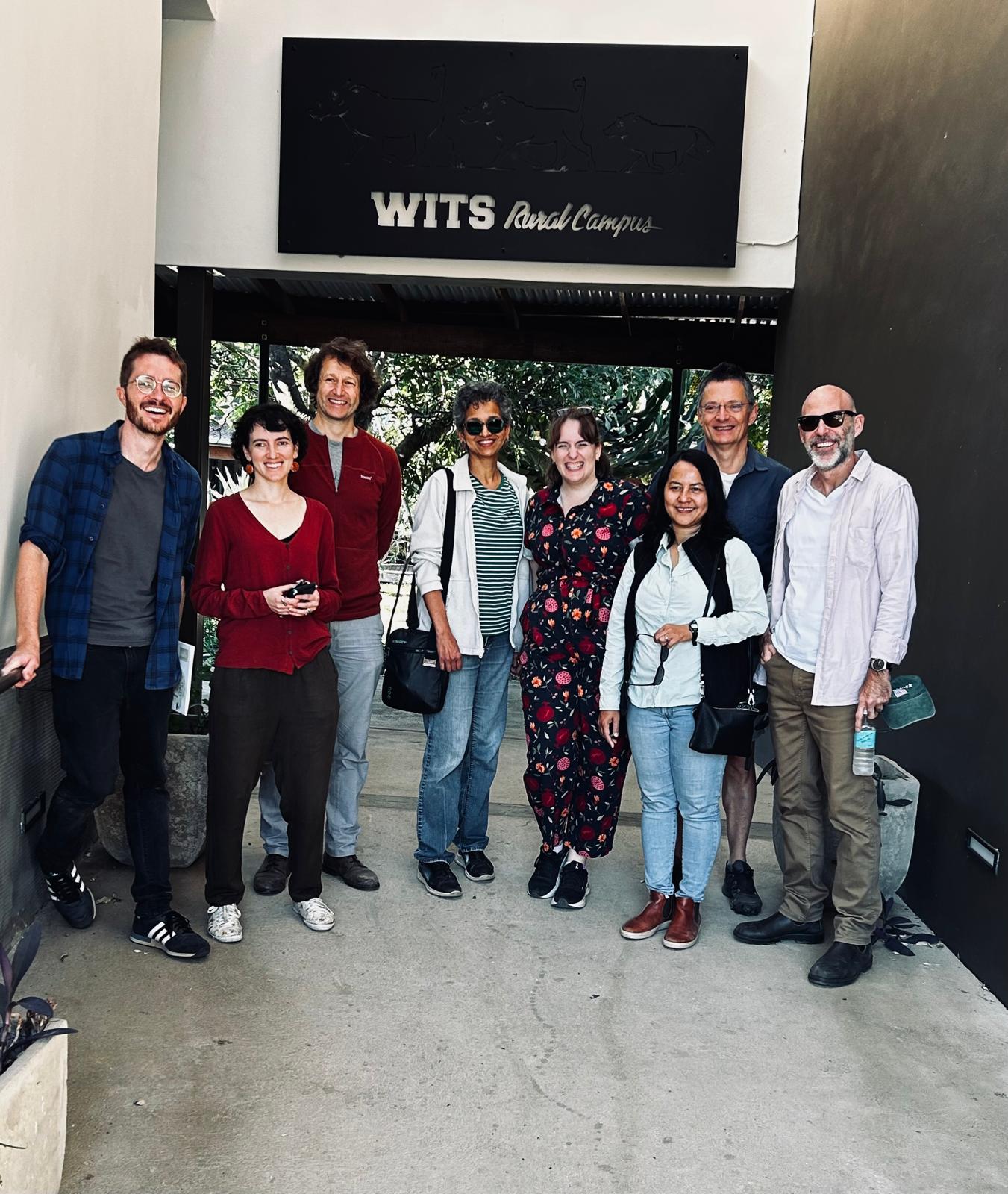
The project brings together researchers from four international partner institutions:
Australian National University (ANU)
- Dr Rini Astuti – Project Lead and resource governance and community engagement
- Dr Kirsty Wissing – Community engagement and socio-technical systems
- Professor Sujatha Raman – Socio-technical systems and public participation
- Dr Jasper Montana – Environmental governance and nature valuation
- Professor Nick Bainton – Extractive industries and Indigenous engagement
- Associate Professor Mandy Yap – Indigenous wellbeing
- Professor Caitlin Byrt – Biomining and circularity
- Professor Li Narangoa – History, culture and politics
Imperial College London
- Professor Martin Dallimer – Project Lead and Environmental valuation and social-ecological systems
- Associate Professor Pablo Brito Parada – Process engineering and data science
University of the Witwatersrand (Wits)
- Dr Dineo Skosana – Project Lead and Mining communities and decision-making
- Dr Sabina Favaro – Mining spatial mapping
- Dr Joel Pearson– Mining and local governance
- Dr Wendy Tsoriyo- Mining urban planning
- Professor Cuthbert Musingwini – Mining engineering and resource management
- Professor Gillian Drennan – Geosciences and industry engagement
University of British Columbia (UBC)
- Professor Allison Macfarlane – Project Lead and Energy policy and governance
- Dr Nadja Kunz – Resource governance and decision science
- Professor Erik Eberhardt – Mine geotechnics and engineering
- Professor Shaun Barker – Economic geology and mineral systems
Together, the team combines expertise across social science, environmental policy, mining, engineering, governance, community engagement and decision-making.
What are our objectives and long-term goals?
The research aims to transform how society thinks about mining waste. Instead of being viewed as a long-term environmental liability, copper tailings could become a valuable material resource that supports cleaner infrastructure, reduces demand for newly mined copper and accelerates the transition towards a more circular and sustainable economy. The core objectives are:
- Demonstrate that chemically enhanced copper tailings can match or exceed the performance of conventional copper in electrical earthing applications.
- Develop and validate new conductive materials suitable for low- and medium-voltage power infrastructure.
- Reduce the environmental risks associated with long-term tailings storage by creating valuable uses for mining waste.
- Lower demand for primary copper and support more sustainable resource use across the energy sector.
- Develop technical standards and policy frameworks that enable adoption in major mining and infrastructure markets.
- Create skills development, employment opportunities and community benefits in mining regions.
- Establish scalable commercial models that support international deployment.
Gallery




Sign up
to our newsletter
Stay informed with the latest research breakthroughs, expert insights and updates from the Rio Tinto Centre for Future Materials. Sign up to our newsletter to connect with a global community driving innovation in sustainable materials and the energy transition.