
Recycling and Circular Economy Integration
Transforming copper mine waste into sustainable electrical infrastructure

What’s the problem we’re trying to
solve?
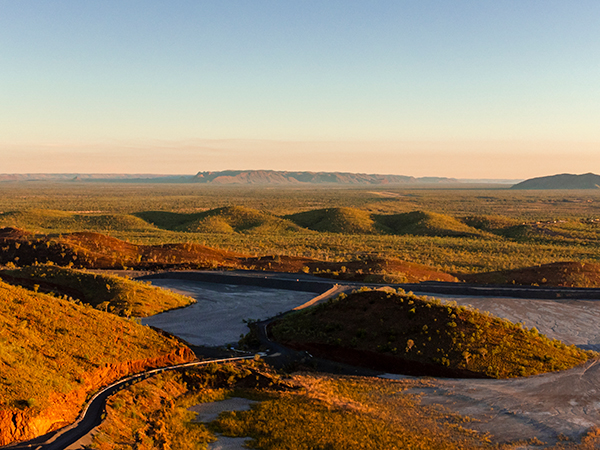
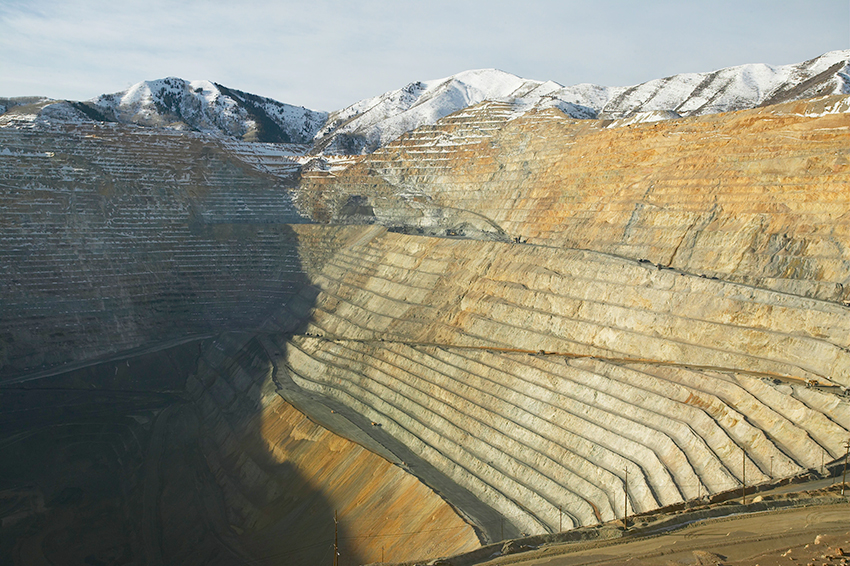
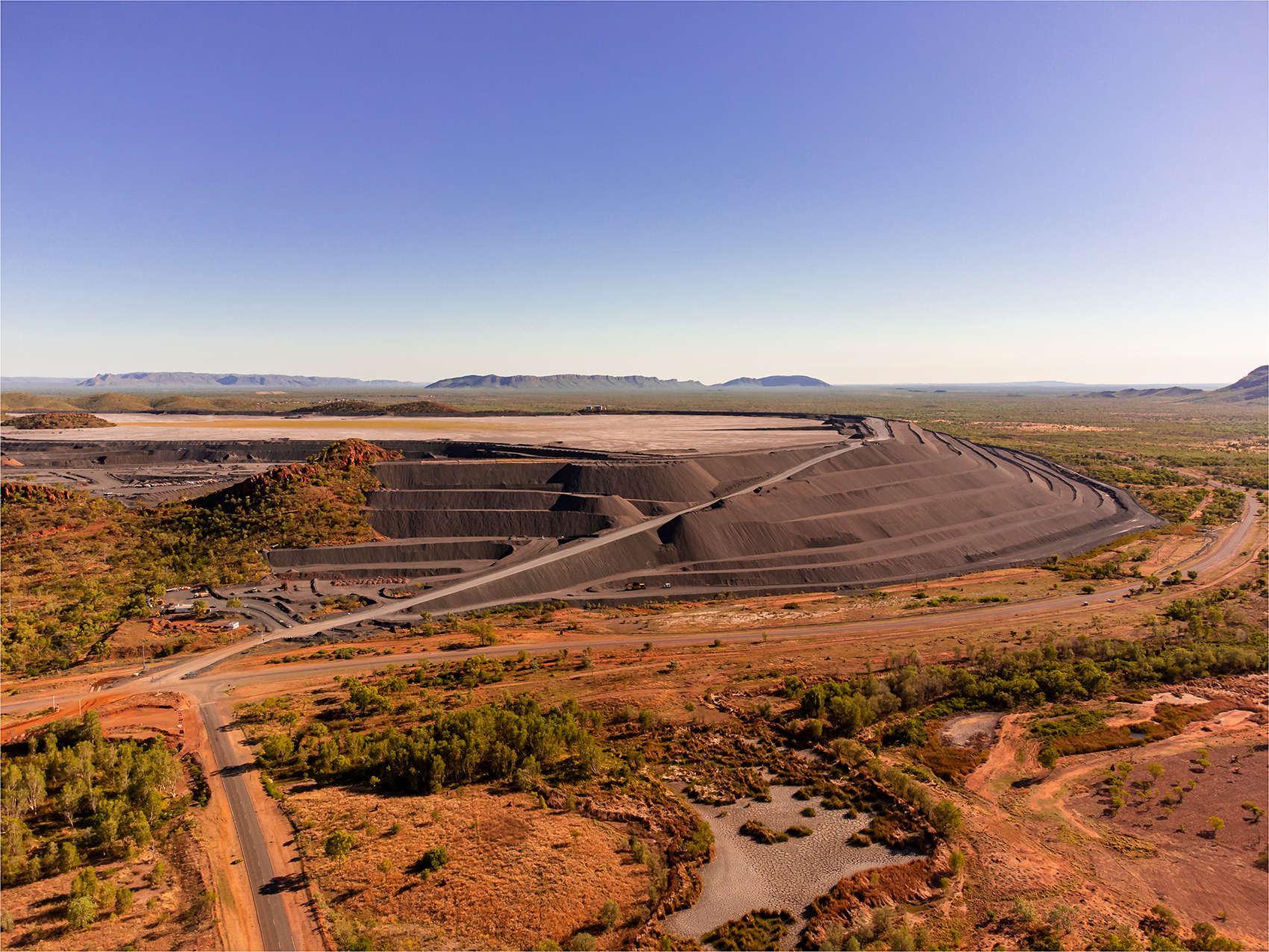
Copper mining can produce vast quantities of waste. After copper has been extracted, enormous volumes of material known as tailings are left behind. These tailings are typically stored in large dams and containment facilities, where they can remain for decades or even centuries.
Around the world, copper tailings represent one of the largest sources of industrial waste. They can contain heavy metals and other contaminants that pose long-term environmental risks to ecosystems, water supplies and nearby communities. Managing these sites is costly, complex and often leaves a lasting legacy for future generations.
The challenge is clear. The world needs more copper to support the energy transition, but it also needs better ways to manage the waste created by copper production. Until now, these challenges have largely been treated separately.
What if they could be solved together?

How does this research provide a solution?
This project reimagines copper mine tailings not as waste, but as a valuable resource.
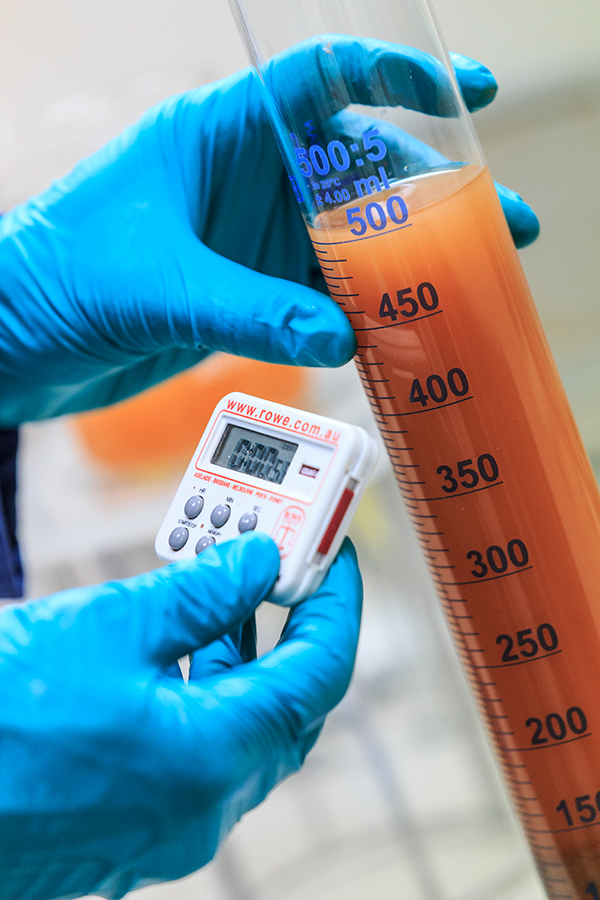
Rather than focusing on extracting the small amounts of copper remaining within tailings, the research explores whether tailings themselves can be transformed into useful engineering materials. By chemically enhancing their properties, the team aims to create conductive materials capable of replacing copper in specific electrical applications.
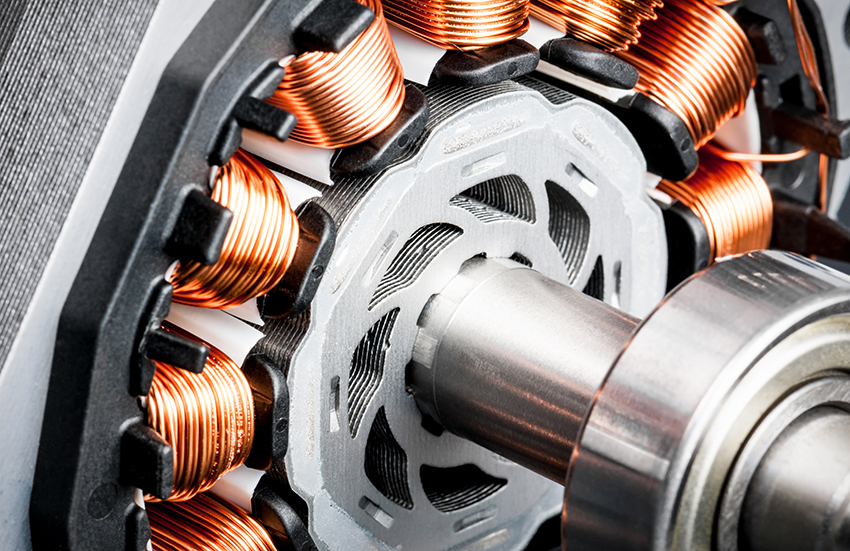
One of the most promising opportunities lies in electrical earthing systems. These systems are critical for protecting people, equipment and infrastructure by safely directing electrical currents into the ground. Traditionally, earthing systems rely on large quantities of buried copper cables and rods.
This project is investigating whether processed copper tailings can provide the same performance while significantly reducing the amount of virgin copper required.
If successful, the impact could be transformative. Processed tailings could replace a substantial proportion of the copper currently used in earthing infrastructure, reducing demand for newly mined copper while simultaneously helping to address the environmental burden of tailings storage.
This is circular economy thinking in action – turning a mining waste stream into a valuable material for the energy systems of the future.
What exactly are we doing?
he project brings together expertise from engineering, materials science, environmental science and policy to develop a complete pathway from waste material to real-world infrastructure.
The team is working on:
- Material characterisation and enhancement
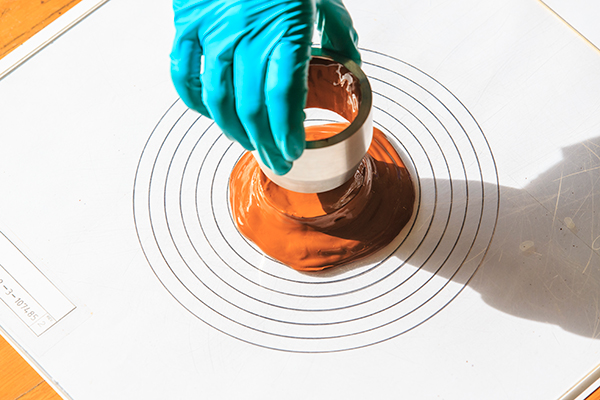
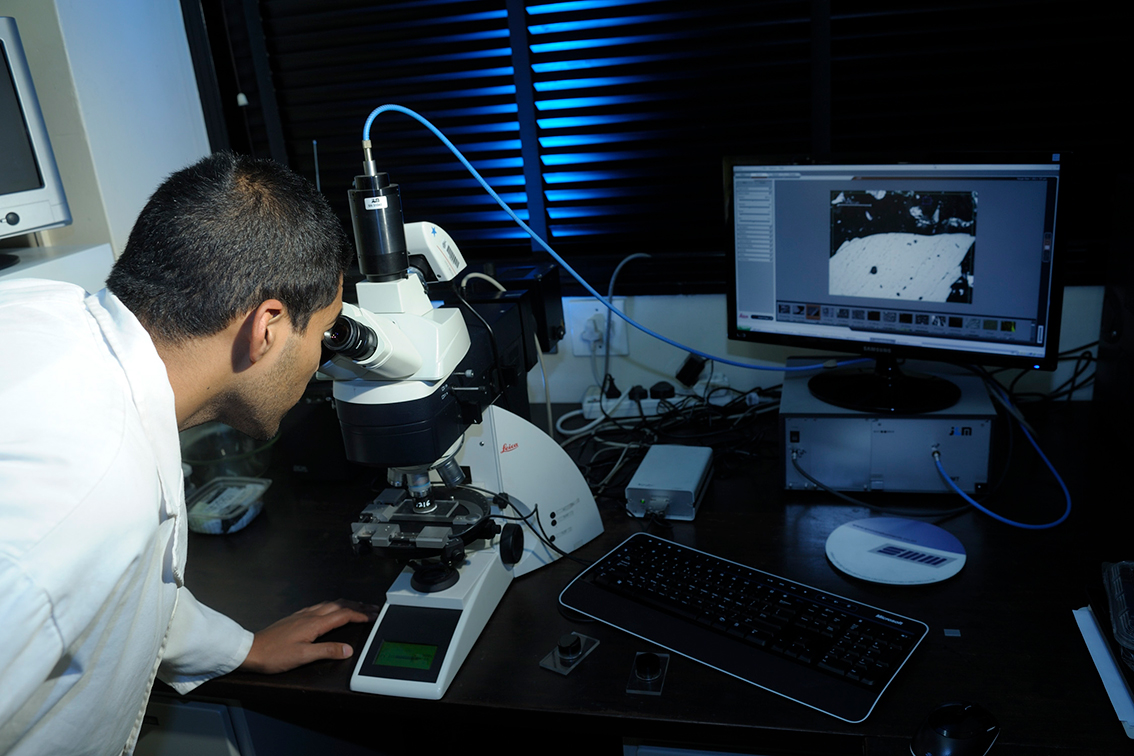
Analysing copper mine tailings and developing chemical treatments that improve their conductivity, durability and long-term performance.
- Prototype development
Designing and testing conductive backfill materials and trench-based earthing systems capable of replacing conventional copper-based solutions.
- Environmental and socio-economic assessment
Evaluating the environmental benefits, community impacts and economic opportunities associated with large-scale adoption.
- Policy and standards development
Working with industry and regulators to establish the technical standards and governance frameworks required for deployment.
- Knowledge transfer and capacity building
Creating training programmes, educational resources and skills development opportunities in mining regions.
- Commercialisation and scale-up
Developing business models and investment pathways that support widespread adoption across global infrastructure markets.
Together, these activities create a complete innovation pipeline that connects mining waste management, sustainable infrastructure and circular economy principles.
Who’s involved?
This project brings together researchers from four leading international institutions:
University of the Witwatersrand (Wits)
- Professor Chandima Gomes – Project Lead and electrical engineering specialist
- Professor Mary Evans – Environmental and social impact assessment
- Dr Rodney Genga – Materials characterisation and optimisation
- Professor Kevin Harding – Life cycle assessment and environmental engineering
- Dr Gillian Drennan – Geosciences and industry engagement
- Dr Khuliso Masindi – Community engagement and geosciences
Australian National University (ANU)
- Professor Caitlin Byrt – Bio-inspired materials and sustainable technologies
- Professor Luke Connal – Chemistry and advanced materials
- Professor Juan Felipe Torres – Engineering and process systems
Imperial College London
- Professor Elena Dieckmann – Infrastructure and design engineering
- Professor Martin Dallimer – Environmental policy and societal impact
University of British Columbia (UBC)
- Professor Vikramaditya Yadav – Circular economy innovation, industrial partnerships and scale-up
Together, the team combines expertise spanning electrical engineering, mining, chemistry, materials science, environmental assessment, policy and community engagement.
What are our objectives and long-term goals?
- Demonstrate that chemically enhanced copper tailings can match or exceed the performance of conventional copper in electrical earthing applications.
- Develop and validate new conductive materials suitable for low- and medium-voltage power infrastructure.
- Reduce the environmental risks associated with long-term tailings storage by creating valuable uses for mining waste.
- Lower demand for primary copper and support more sustainable resource use across the energy sector.
- Develop technical standards and policy frameworks that enable adoption in major mining and infrastructure markets.
- Create skills development, employment opportunities and community benefits in mining regions.
- Establish scalable commercial models that support international deployment.
Ultimately, this research aims to transform how society thinks about mining waste. Instead of being viewed as a long-term environmental liability, copper tailings could become a valuable material resource that supports cleaner infrastructure, reduces demand for newly mined copper and accelerates the transition towards a more circular and sustainable economy.
Gallery



Sign up
to our newsletter
Stay informed with the latest research breakthroughs, expert insights and updates from the Rio Tinto Centre for Future Materials. Sign up to our newsletter to connect with a global community driving innovation in sustainable materials and the energy transition.